





You do not get points for spotting a trend once it is already on every menu. By the time food trends reach a quarterly report, your competitors have read the same report. The teams that win in 2026 are reading demand as it forms, in live consumer conversation and on real menus, months before it peaks. This piece ranks the ten food trends moving fastest in the United States right now, using Tastewise consumer and operator data. Every number below is a conversation or menu signal, not a sales figure, and each one comes with what your team can do about it.
Key takeaways
- Protein is now the single most-discussed consumer need in our US data, but high-protein mentions have slipped lately. Protein is table stakes, so your edge is in format and delivery, not the claim itself.
- Cottage cheese conversation is up close to 7% and has crossed onto restaurant menus. It is the clearest proof that a whole-food protein carrier beats another powder.
- Functional needs are splitting the market. Energy, electrolytes and cortisol talk are all climbing fast, while comfort and nostalgia rise just as hard in the other direction.
- Creatine conversation is climbing quickly and now shows up in cold foam, smoothies and gummies. Functional add-ins are leaving the supplement aisle and entering food.
The trends behind the numbers

Consumers are sorting food into two jobs at once. They want it to do something for the body, more protein, more fiber, steadier energy, calmer cortisol, and they want it to feel like a small reward at the end of a hard day. Those two pulls, function and comfort, explain most of what is rising right now.
The Tastewise data shows the split clearly. Protein remains the most-discussed need across US food conversation, yet the growth has moved from the word itself to how it is delivered, which is why cottage cheese talk is rising while generic high-protein mentions cool. At the same time, comfort and nostalgia are climbing faster than almost any other need we track.
For your team, the opportunity is to stop treating these as separate audiences. The same shopper buying a cortisol-friendly drink is buying nostalgic comfort food in the same basket. Reading both signals at once is exactly what the 2026 trend forecast is built to help you do.
What food trends are and why they move so fast
A food trend is a sustained shift in what people want from food, not a one-week viral clip. The difference matters because your roadmap cannot chase noise. A real trend shows up across three places at once: consumer conversation, home cooking and restaurant menus.
That is the test we apply below. A flavor with rising social conversation but no menu presence is early. A flavor with both, growing together, is a trend your team can build a launch around. When only one signal moves, you wait. When both move, you act.
The 10 food trends defining 2026

1. Protein stopped growing, so delivery is the new battleground
Protein is the most-discussed consumer need in our US data, yet high-protein mentions have edged down over the past year. Consumers have not lost interest, they have moved on from the claim to the format. Externally this tracks with the 2025 Food and Health Survey, in which 7 in 10 Americans said they were trying to eat more protein. Your team should stop leading with grams and start leading with the eating occasion that carries them.
2. Cottage cheese is the whole-food protein carrier
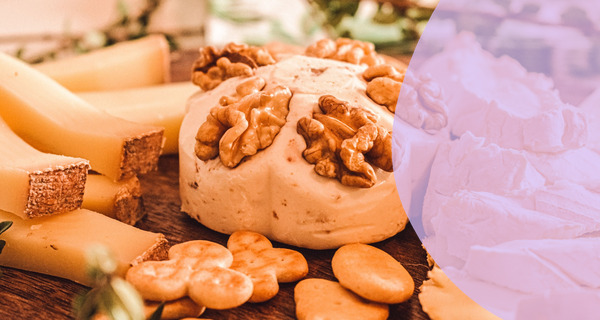
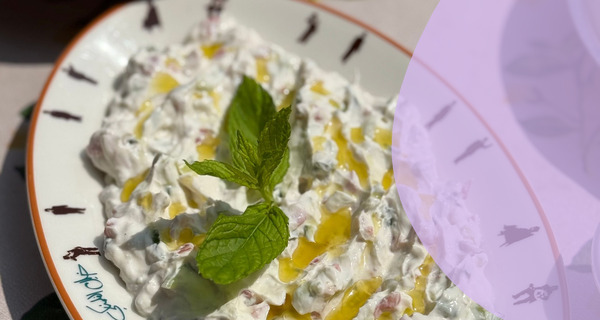
Cottage cheese conversation is up close to 7% since last year, and it has jumped from the fridge onto menus. Whipped cottage cheese toast and bowls now appear at Snooze, Pret a Manger and Cafe Zupas. That move from ingredient to menu item is the signal that matters. If you make dairy or snacks, a cottage-cheese format extension has a demand base already waiting for it.
3. Fiber is the health claim actually accelerating
Broad gut-health talk has flattened, but fiber mentions are up around 20% in the past 12 months across categories. That gap is the insight. Consumers have shifted from a vague wellness idea to a specific, label-checkable one. Your team can put a concrete fiber figure on pack and in menu copy where “good for your gut” no longer lands.
4. Functional energy is a fast riser
Energy is one of the quickest-climbing needs in the data, up sharply over the past year in several categories, and it is pulling matcha, coffee and protein coffee along with it. Consumers want a lift that feels natural rather than a crash. If you sell beverages or breakfast, an energy story told through real ingredients has more room to grow than another caffeine number.
5. Electrolytes moved beyond the gym
Electrolyte conversation is up by more than a third since last year in some categories, and it is the most consistent riser across every pull we ran. Hydration is no longer just a sports idea, it is an everyday one. Your team can bring electrolyte and hydration cues into mainstream drinks and mixes, not only performance lines.
6. Cortisol and hormone support are small but surging
Cortisol talk is still a small share of conversation, but it is climbing fast, and “cortisol cocktail” mentions have more than doubled in the past 12 months. Adjacent needs like calm, perimenopause and menopause support are rising with it. This one rewards early movers who treat it seriously rather than as a gimmick. Build with real function and clear language, since this audience reads labels closely.
7. Swicy and chili crisp keep spreading
Hot honey now appears on close to 6% of menus in the set, from McDonald’s to Marco’s Pizza to Lou Malnati’s, and chili crisp conversation is up more than 60% on last year. Sweet heat has moved from novelty to expectation. Your culinary team can extend it past pizza and wings into everyday formats, and this is a natural place to study menu planning against live operator data.
8. Comfort and nostalgia are the counter-current
Comfort is among the single fastest-rising needs in the data, up roughly a half compared with a year ago, with cozy and nostalgic climbing alongside it. As function gets clinical, consumers want the opposite too. Your team can pair a functional benefit with a nostalgic format, since the same shopper wants both, and that duality shapes stronger food and beverage marketing.
9. Matcha and the beverage crossover
Matcha conversation is up around 40% compared with a year ago and has become trending in the data, with the pistachio-matcha pairing rising just as fast and pistachio lattes now on Starbucks menus. Worth an honest flag for your planners: Dubai chocolate, which drove the earlier pistachio wave, is cooling, down about a quarter over the last twelve months. The durable move is pistachio and matcha in drinks, not the viral bar.
10. Creatine crosses into food and drink
Creatine conversation is up more than a third on last year, and it has left the tub. It now appears as creatine cold foam at Trident Coffee, activated creatine at Juice Generation, and as gummies, pudding and ice cream in home recipes. Functional add-ins are becoming ingredients, not just supplements. For R&D teams, this is a clear brief for new concept validation before the category crowds.
How food and beverage teams use 2026 trend data in practice
The scenarios below are illustrative, not case studies of named clients. Each one takes a signal from this article and shows how a specific team could turn real-time food trend data into a decision. All four use the same inputs: consumer conversation signals, menu presence data and trend lifecycle stage.
Use case: dairy R&D team, cottage cheese as a format bet
The challenge: Your R&D team has room for one protein launch this cycle, and two candidates are on the table: a new protein powder SKU or a cottage cheese format extension.
The signal: Cottage cheese conversation is up close to 7% since last year, while generic high-protein mentions are cooling. Whipped cottage cheese toast and bowls already sit on menus at Snooze, Pret a Manger and Cafe Zupas. Fiber mentions are up around 20% in the past 12 months.
The action: The team prioritizes a whipped cottage cheese format over the powder. It leads with the eating occasion rather than the gram count, and puts a concrete fiber figure on pack. The concept goes through concept testing before any formulation spend.
The outcome: Illustrative only. The launch rests on demand that shows up in both conversation and menus, not on a protein claim consumers have already moved past.
Use case: beverage innovation team, creatine meets functional energy
The challenge: Your beverage team wants a functional cold drink concept that does not compete on another caffeine number, and it wants to move before the category crowds.
The signal: Creatine conversation is up more than a third on last year and has left the tub, with creatine cold foam at Trident Coffee and activated creatine at Juice Generation. Energy is one of the fastest-climbing needs, and matcha conversation is up around 40% compared with a year ago.
The action: The team drafts a matcha and creatine cold beverage, positioned on natural energy. The pairing itself is the team’s hypothesis, not a signal in the data, so it goes into product concept validation first. An always-on trends agent keeps tracking both signals.
The outcome: Illustrative only. The team has a concept built on two rising signals, and an early warning when either one starts to cool.
Use case: foodservice menu team, taking sweet heat somewhere new
The challenge: The menu strategy team at a regional chain needs a limited-time offer that feels current without copying what every competitor already runs.
The signal: Hot honey appears on close to 6% of menus in the set, from McDonald’s to Marco’s Pizza to Lou Malnati’s. Chili crisp conversation is up more than 60% on last year. Sweet heat has moved from novelty to expectation.
The action: Instead of another hot honey pizza or wing, the team uses menu presence data to find formats where sweet heat is still thin among direct competitors. It builds the LTO there and brings in chili crisp, where conversation is still climbing fast.
The outcome: Illustrative only. The LTO rides a flavor guests already expect, in a format that still reads as new. Suppliers selling into the chain can build the same evidence into a foodservice sales pitch.
Use case: brand marketing team, function and comfort in one message
The challenge: Your brand team has a functional drink with a calm and cortisol-support angle, and early campaign concepts keep landing as clinical.
The signal: Cortisol talk is still small but climbing fast, and cortisol cocktail mentions have more than doubled in the past 12 months. Comfort is among the fastest-rising needs, up roughly half compared with a year ago, with cozy and nostalgic rising alongside it.
The action: The team rebuilds the campaign so one product carries both jobs. The functional benefit sits in clear, label-level language, and the creative frames the drink as a small end-of-day reward. Each message variant maps to the consumer need it serves, which keeps campaign planning tied to the data.
The outcome: Illustrative only. The campaign speaks to the shopper the data describes, one who buys a cortisol-friendly drink and nostalgic comfort food in the same basket.
How to read food trends 2026 before your competitors do
The signals above come from Tastewise consumer and operator panels in the United States, measured as conversation velocity and menu presence over a rolling twelve-month window. They are demand signals, not sales figures, which is exactly why they move earlier than a sales report can.
The method is simple to apply. You watch a lifecycle stage move from early to trending, you confirm it against real menu presence, and you act while the window is open. This is the work our real-time AI workflows run continuously, and it is the same discipline behind good food trend analysis anywhere.
10 questions to pressure-test any food trend
- Is conversation rising, or just high? A big number that is falling is a trend you missed.
- Does menu presence back the social signal, or is it social only?
- Which lifecycle stage is it in: emerging, trending, or mature?
- Who is driving it, and does that audience match your buyer?
- Is the growth broad, or concentrated in one viral format?
- What consumer need sits underneath it, function, comfort, or both?
- Is it a flavor, a format, or a claim? Each needs a different response.
- Has it crossed channels, from home to foodservice or retail?
- What is the counter-signal, and is anything cooling as this rises?
- Can you own it, or is the white space already taken?
What this means for your team

Treat 2026 as two conversations happening at once. Function and comfort are both rising, and the strongest launches speak to both in a single product. Illustrative example, clearly labeled as a scenario rather than a client result: a dairy team pairs a high-fiber, high-protein cottage cheese base with a nostalgic dessert flavor, and leads the sell-in with the live demand signal behind each half.
The teams that move first are not guessing. They are reading the signal, confirming it on menus, and building before the category fills up. That is the difference between reporting a trend and owning one.
FAQs about food trends in 2026
The fastest-rising food trends in 2026 are protein delivered through whole foods like cottage cheese, rising fiber, functional energy, electrolytes, cortisol and hormone support, swicy heat, comfort and nostalgia, matcha, and creatine crossing into everyday food and drink. Function and comfort are rising at the same time, which is the defining tension of the year.
Tastewise measures food trends as consumer conversation velocity and restaurant menu presence, tracked over a trailing 12-month window across US consumer and operator panels. These are demand signals rather than sales figures, which is why they surface a trend earlier than a quarterly sales report can.
Confirm that a trend shows both rising conversation and real menu presence, identify the consumer need underneath it, and validate a concept while the lifecycle stage is still early. Acting on a trend in its trending stage, rather than once it is mature, is where the commercial advantage sits.
An emerging food trend shows rising consumer conversation with little or no menu presence yet. A trending food trend shows conversation and menu presence growing together, which is the point where your team can build a launch around it. Tastewise tracks the food trend lifecycle in three stages: emerging, trending and mature. Matcha is now trending in the data, with pistachio lattes on Starbucks menus.
Consumers have moved on from the protein claim to the format that delivers it. Protein is still the most-discussed need in Tastewise US data, but high-protein mentions have edged down over the past year. Over the same period, cottage cheese conversation is up close to 7%. For your team, that means leading with the eating occasion rather than the gram count.
It has reached restaurant menus and home kitchens. Creatine conversation is up more than a third on last year. It now shows up as creatine cold foam at Trident Coffee and activated creatine at Juice Generation, and as gummies, pudding and ice cream in home recipes. For R&D teams, that is a window to validate concepts before the category crowds.
Pistachio-matcha is rising, while Dubai chocolate is cooling. Matcha conversation is up around 40% compared with a year ago, and the pistachio-matcha pairing is rising just as fast. Dubai chocolate, which drove the earlier pistachio wave, is down about a quarter over the last twelve months. The durable move is pistachio and matcha in drinks, not the viral chocolate bar.
Start with concepts where conversation and menu presence are rising together, then rank them by the consumer need underneath. Check the lifecycle stage and look for the counter-signal, anything cooling as the trend rises. Then ask whether your team can own the space or whether the white space is already taken. The 10 pressure-test questions in this article work as a repeatable checklist for that ranking.
They use conversation to spot a trend early and menu presence to confirm it. Conversation data shows what consumers talk about and how fast that is changing. Menu trend data shows whether operators are putting it in front of guests. When only one signal moves, your team waits, and when both move together, the trend is ready to build around.



We’d love to learn your goals and see how Tastewise fits
We’d love to learn your goals and see how Tastewise fits
Get a personalized demo
Good taste. Wise move.
Your demo request is confirmed. We’ll reach out within one business day to schedule your walkthrough.
What happens next

See what’s driving demand, then turn it into a sell-in story for retailers and operators.
- Connect consumer panels, market trackers, and agents into one evidence view
- Get the “why” behind what’s changing, with explainable demand drivers
- Walk away with a buyer-ready narrative and next steps to activate
Trusted by


“Tastewise is my secret tool for knowing what consumers want next and why.“